 Anglo-American University in Prague
 From Ideas to Impact: How 糖心Vlog传媒 Students Learn Entrepreneurship by Doing


The Anglo-American University in Prague regularly ranks among the best in the student company competition organized by JA Czech. Its Entrepreneurship in Practice (EiP) course is led by Heinrich Homola, an experienced lecturer and mentor who focuses on trust, support and real challenges. In an interview, he explains how to build an entrepreneurial mindset, what makes a successful team and why it is important to let students fail.
As part of the EiP course, you lead teams that participate in the JA Czech competition. How is this course different for students from regular courses?
In regular courses, students respond to assigned cases that someone else has come up with. In EiP course, however, they work on their own idea, from scratch, and are responsible for its success. This creates much greater motivation and personal commitment. It is not just about getting credits, but about a real result.
What do you consider the main benefit of this approach to teaching?
Real learning comes during the 鈥淎HA鈥� moments. When students discover for themselves what works and what doesn鈥檛. When they get excited about the problem they want to solve. We don鈥檛 just want to 鈥減our鈥� knowledge into them, but to create an environment where they can experience what it means to take responsibility and really create something. That is an experience that will last.
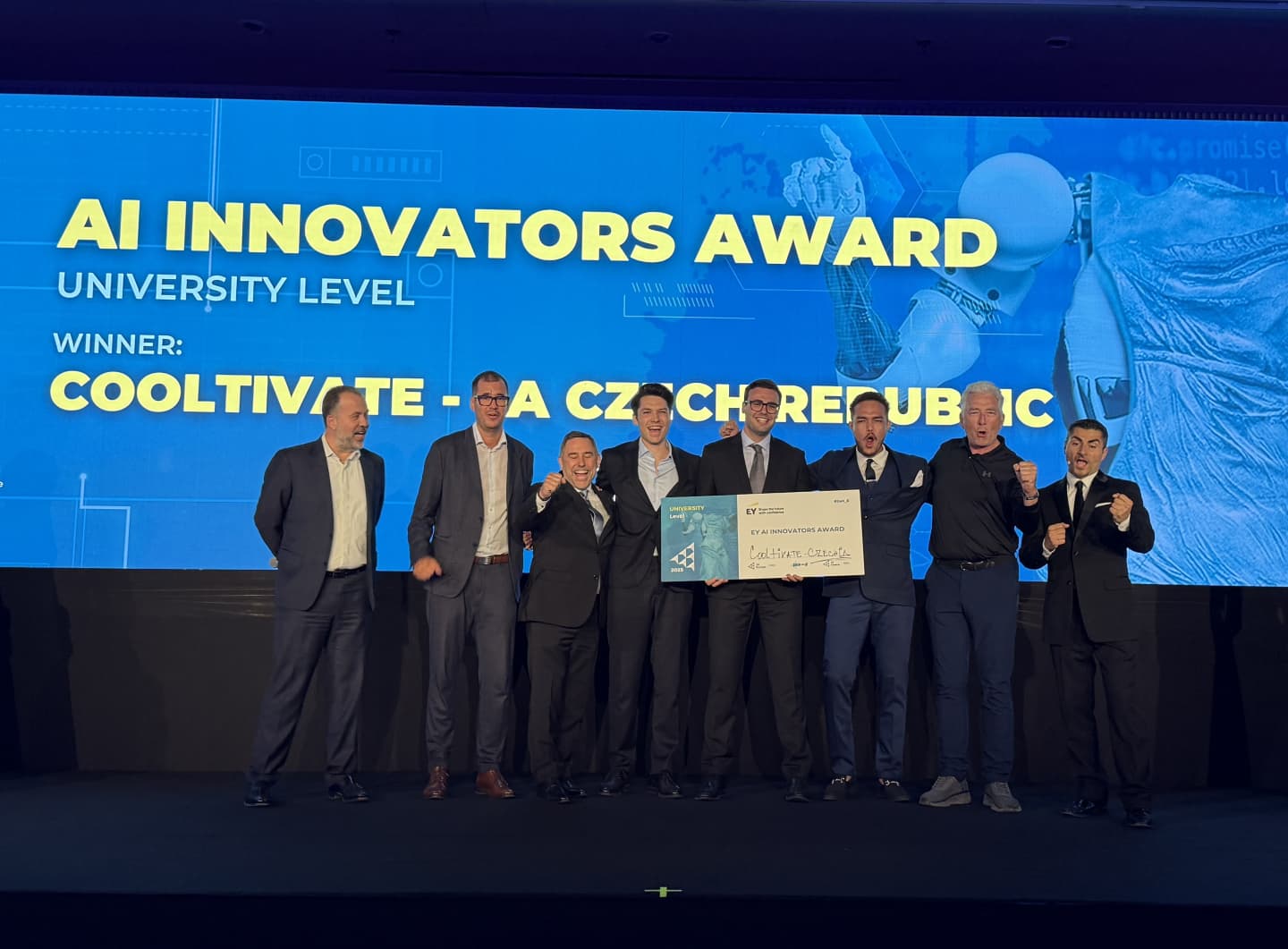

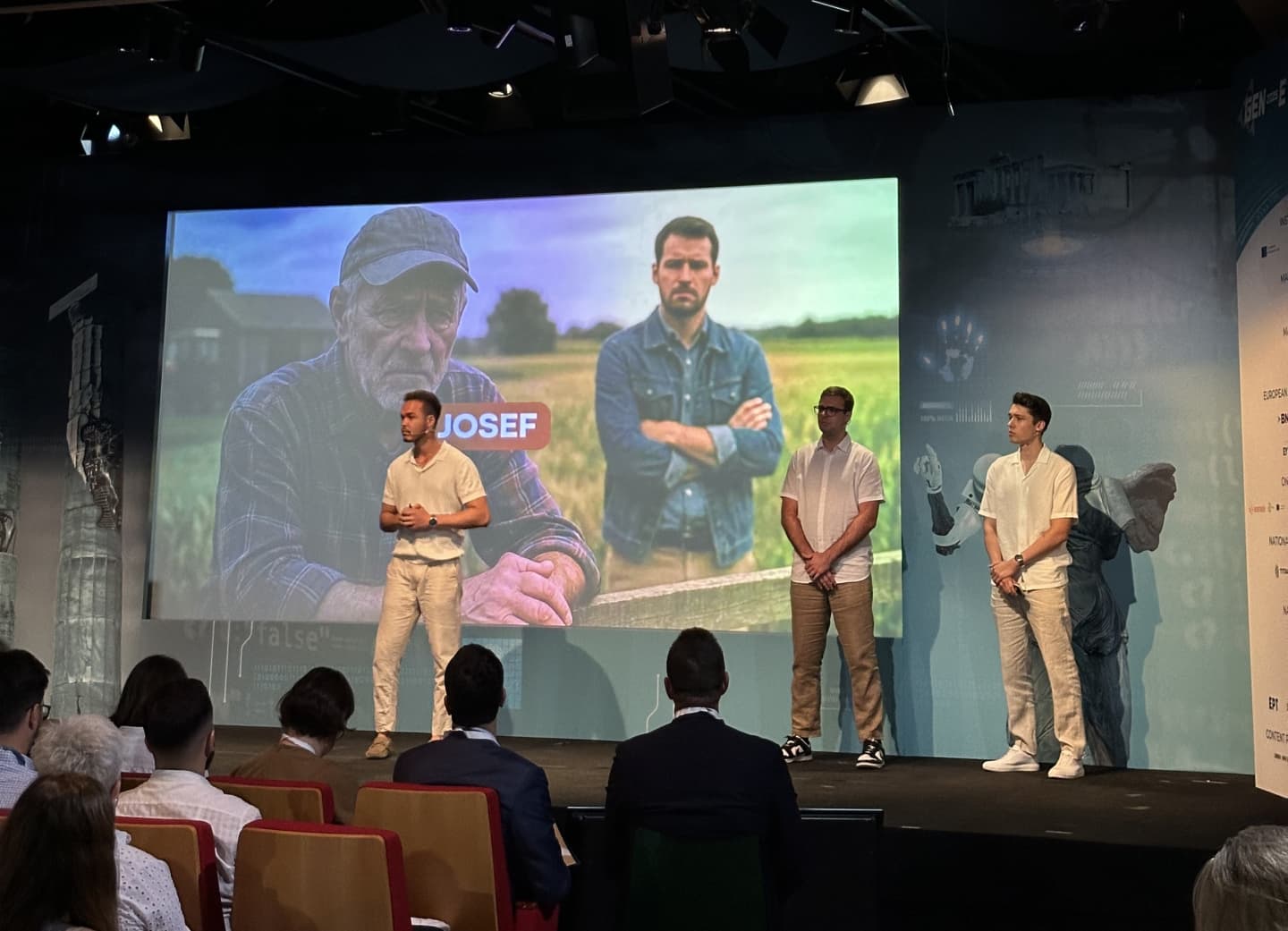
A student team from your university called Cooltivate, which won the Czech final of JA Czech this year, subsequently participated in the European final of Gen-E in Athens. From there, they took home the prestigious AI Innovation Award, which is the first time in the history of Gen-E that a Czech university has won an award at the European final. What impressed you most about their project?
First of all, the team spirit. There always comes a moment when something gets complicated 鈥� and that鈥檚 when you know a strong team. Cooltivate was able to come together, take responsibility and find a solution. And of course, the project itself, agricultural drones with AI, has enormous potential. It is a beautiful example of innovation that also has a real impact.
Your students have been successful at JA Czech for the third year in a row. What is the key to such consistency?
The fact that their projects are not just 鈥済ood ideas鈥�, but real solutions to real problems. And that in the beginning we devote a lot of time to creating an idea 鈥� that is where the foundation of success is born. Moreover, we understand that a business project is not a sprint, but a marathon.
What is your role in the course?
I do not teach in the traditional sense. I am more of a guide 鈥� a mentor. I help students think about the target group, about the needs of the market, about why their project should be of interest to someone. I give them space, but I am there when they need feedback or a new perspective.
What type of projects are successful?
The best ideas have a strong connection to the community they want to reach. They are rooted in the real world 鈥� students solve something they know or experience themselves. The ability to communicate with the jury and customers is also important. And team chemistry is key. A great team can do more than a perfect product.

What do students learn even if their project does not win?
They learn to fail. And they will understand that it doesn鈥檛 matter 鈥� if they take something from it. The course gives them experience that they can take with them. For example, when looking for a job, starting their own project or in any team collaboration. In addition, they will learn to tell a story 鈥� about themselves, about the idea, about the value they create.
Would you have any advice for teachers who would like to teach a similar course?
You have to be ready to give up control. Trust the students. They have to create, not just fulfill the assignment. You hold the framework and help, but the initiative is theirs. And also, never underestimate the power of a meaningful goal. Students are incredibly motivated when their work can help someone.
What do you think is the basis of entrepreneurial thinking?
It鈥檚 not just about business. It鈥檚 about the ability to perceive opportunities, be flexible, translate theory into practice and attract others to a common goal. Students often think that they have to have the perfect idea 鈥� but more important is the team, communication and perseverance.
Has your experience working with student companies influenced your own view of business or education?
I can鈥檛 say that my perspective has changed at all 鈥� it鈥檚 more that it鈥檚 been reaffirmed time and again that flexibility is absolutely essential. My role is to be a mentor, a guide and an educator. But learning doesn鈥檛 happen by handing over content to students. Learning happens when they experience their own 鈥渨ow!鈥�.
My job is to create the conditions for these moments to happen as often as possible. And that can鈥檛 be planned. There are many roads to Rome 鈥� Athens this year. I don鈥檛 set the route, but I do my best to get there together.
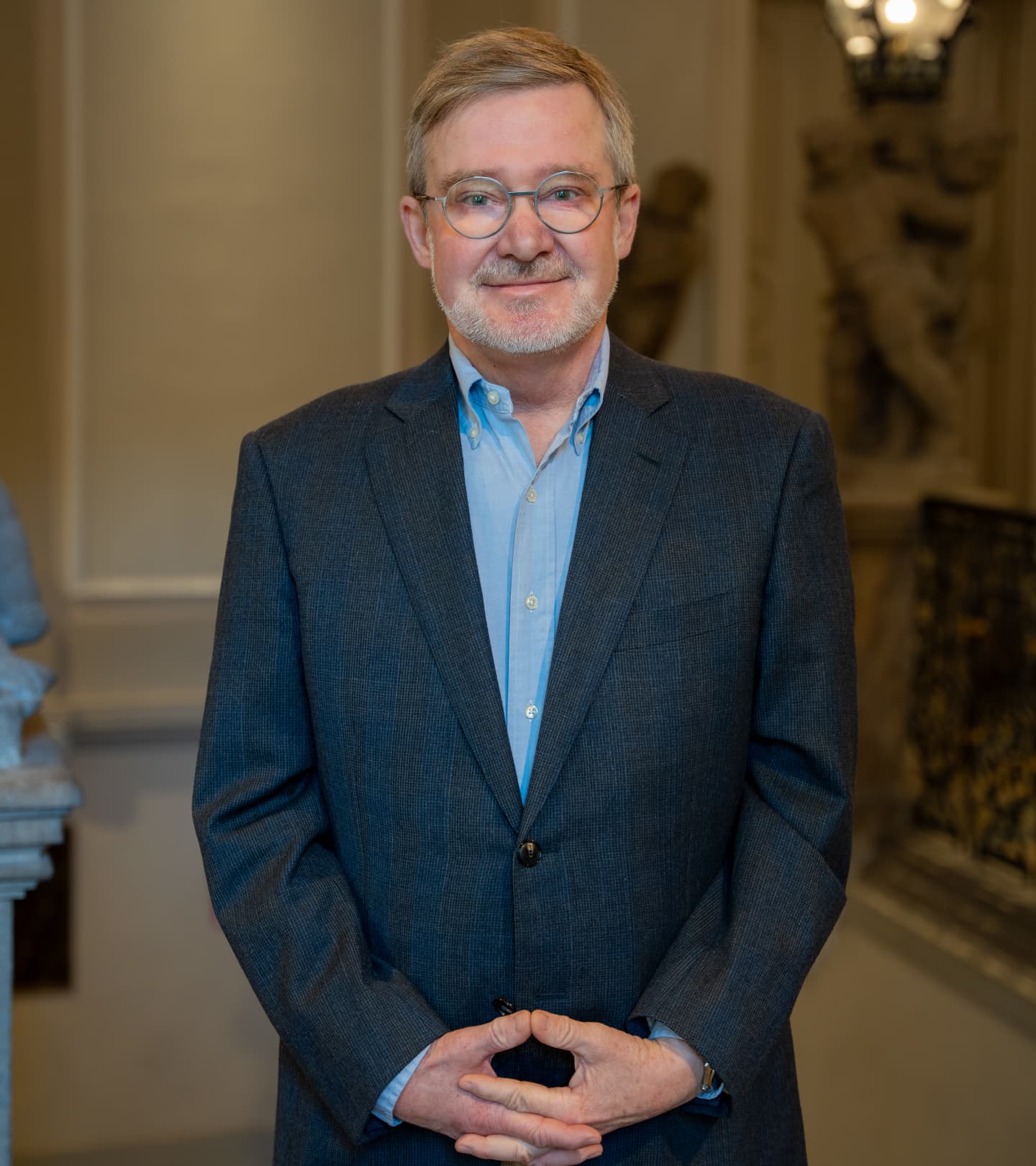

Heinrich Homola studied industrial engineering at the prestigious Karlsruhe Institute of Technology (KIT) in Germany. He began his almost 30-year international career in marketing at Procter & Gamble, where after 1989 he became one of the first managers in the newly opened branch in Prague. He also led the regional representation of the COTY brand in several European countries and served as CEO of Vitana. He is currently engaged in consulting, interim management and mentoring 鈥� among other things, he supports student companies involved in the Junior Achievement organization, and leads a course as a lecturer for the Entrepreneurship in Practice course.
This article was originally published by and is reposted here with the author鈥檚 permission.